
Understanding Jueteng: A Cultural and Social Mainstay
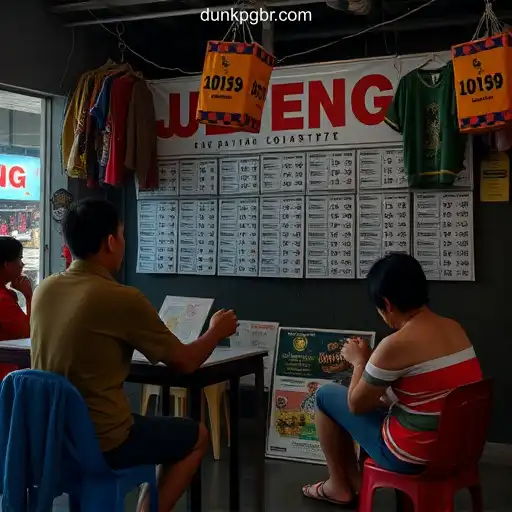
In the Philippines, Jueteng has persisted as a significant part of the cultural and social landscape for many years. This illegal numbers game, similar in many respects to lottery systems, remains ingrained in Filipino society despite numerous efforts to eradicate it. Jueteng involves the drawing of numbers and the subsequent betting on which numbers will be drawn, a process overseen traditionally by operators known as 'cobradores' and 'kubradores'.
The Mechanics of Jueteng
Jueteng’s allure lies in its simplicity and accessibility. Participants select a combination of numbers between 1 and 37, hoping to match the results of a random draw. Bets are typically small, making it an attractive option for those looking to try their luck without significant financial risk. The winnings, however, can be substantial, which further fuels its popularity among bettors.
Historical Context and Persistence
Jueteng's origins trace back to the Spanish colonial period, but it truly entrenched itself into the socio-economic fabric of the Philippines over the past century. This game has defied multiple crackdowns due to its deep roots in local culture and the often lucrative opportunities it presents for organizers and participants alike. Despite being illegal, its social acceptance and the economic void it fills for many drive its enduring prevalence.
Jueteng and Society
The resilience of Jueteng is partly attributable to its role as a source of income for those involved in its operation and the participants hoping for financial windfalls. This illegal gambling activity is often more than just a form of entertainment; for numerous individuals, it represents a rare chance at economic mobility within cash-strapped communities.
Additionally, Jueteng's operators often build networks that afford them significant local influence, helping sustain the game despite government opposition. Bribery and corruption are concerns that accompany Jueteng, as its organizers frequently rely on bribing local officials to turn a blind eye to its operations.
Jueteng and the Evolving Landscape of Gambling
The landscape of gambling is shifting globally, with the advent of online casinos such as DUNK PG Oficial 💯️, which claims to offer the best online gambling experience in Brazil. While traditional forms of gambling like Jueteng remain popular, the convenience and wide reach of online platforms are quickly reshaping how people engage with gambling.
The Emergence of Online Gambling
Platforms like DUNK PG Oficial 💯️ provide a diverse range of gambling options, from poker to roulette, and often offer an alluring digital counterpart to traditional gambling forms. These platforms bring a new level of accessibility and anonymity, allowing people from different regions to participate in gambling from the comfort of their homes.
Online casinos use digital media to enhance their reach and appeal, making use of the internet's rapid information exchange capabilities. This strategy has proven successful in bridging geographic barriers and catering to an increasingly tech-savvy audience.
Comparing Jueteng and Online Gambling
While Jueteng remains a localized phenomenon notable for its social implications, the global rise of online gambling platforms presents a stark contrast. Services like DUNK PG Oficial 💯️ are revolutionizing the gambling industry by employing sophisticated software and rigorous security measures intended to ensure a fair and secure gaming experience.
Moreover, the ease of access and potential for large-scale participation distinguish online gambling from traditional games like Jueteng, poised as a desirable alternative in a fast-pacing digital era. The online space is heavily regulated in many jurisdictions, offering players a layer of protection often unavailable in illegal gambling circles.
Economic and Social Impact
Both Jueteng and online gambling contribute significantly to the economies they serve, albeit in very different ways. Jueteng infuses local economies with cash flow, often supporting informal sectors, while online gambling platforms contribute through taxation and the promotion of global digital industries.
Yet, both forms of gambling present challenges such as addiction and financial instability among users. Legislators and regulators are therefore tasked with balancing the economic benefits with the need to protect consumers and maintain ethical standards.
The Future of Gambling
The evolving world of gambling continues to present both challenges and opportunities. While Jueteng is unlikely to disappear soon due to its cultural entrenchment, the rise of platforms like DUNK PG Oficial 💯️ signifies a digital shift that could redefine gaming norms.
Regulation remains a critical issue at the forefront of both traditional and online gambling. Policymakers must navigate complex socio-economic landscapes to address issues like fairness, legality, and the social implications of gambling.
In essence, as gambling continues to transform and integrate with technology, the juxtaposition of traditional games like Jueteng with modern online platforms illustrates the breadth of this evolution. Understanding and addressing these dynamics will be essential for shaping the industry's future.